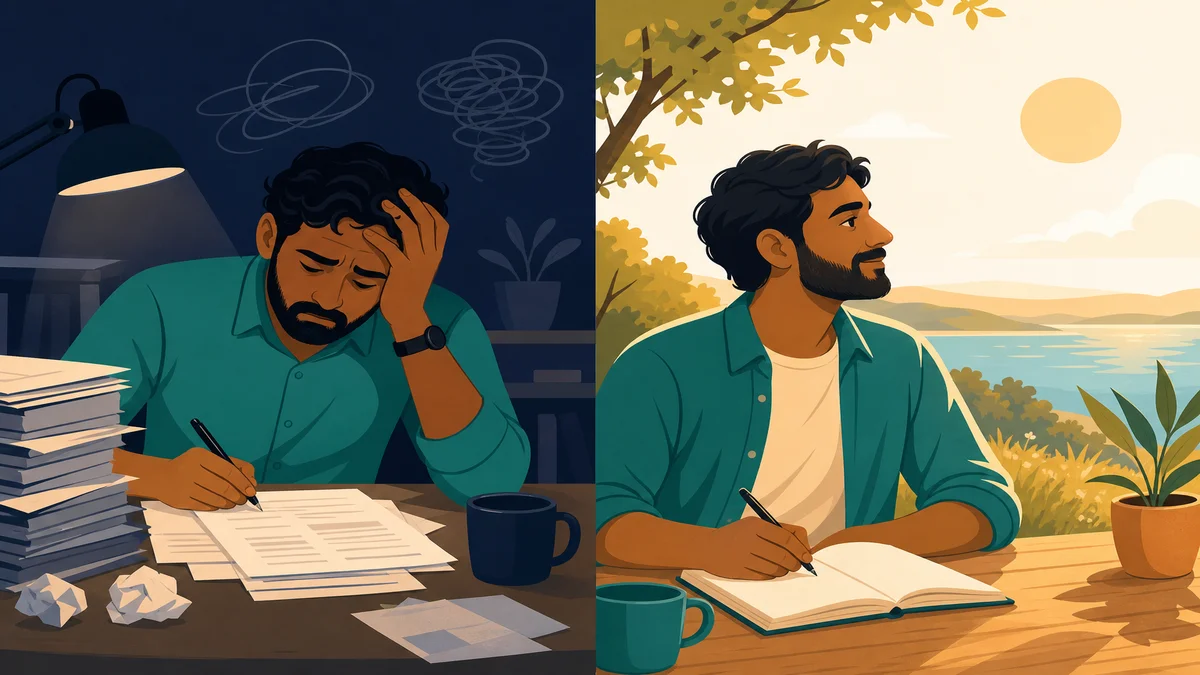
How many times have you caught yourself, late in the summer term, typing the words “shows good effort” for the third time in a row, wondering if you’re actually capturing anything real about your pupils? The truth is, after weeks of stretched energy and endless admin, even the most dedicated KS2 teachers can find their report-writing voice slipping into autopilot. But what if the way we spend our summer break could change all that?
Report-Writing Fatigue: Why Are We All So Drained?
The End-of-Term Blur: Churning Out Reports on Autopilot
The final weeks of term have a pace all their own. Between sports day, transition meetings, and last-minute assessments, report writing can morph into yet another box on an ever-growing list. You sit down, determined to make each comment count, but after the tenth report, it all begins to blur. The temptation creeps in: copy, paste, tweak a name, move on. It’s not laziness - it’s survival.

When Feedback Feels Forced - and Students Notice
There’s a particular frustration when you realise your feedback sounds flat, especially for pupils who deserve more. Take Sofia in Year 5: always inquisitive, quietly supporting her classmates, but when you try to put her progress into words, you end up with a line that feels interchangeable with half the class. If we notice the repetition, so do families and students. They know when a report is heartfelt - and when it isn’t.

Honest Confession: Reports as a Box-Ticking Exercise?
Let’s be honest. At some point, most of us have written a report that’s more about meeting the deadline than celebrating a child. It can feel like a betrayal of our own standards, but it’s the reality when exhaustion takes over. The question is not whether you care, but whether you have anything left to give by July.
The Summer Pause: More Than Just a Well-Deserved Break
Reflection vs. Recovery: Making the Most of Downtime
After the last bell, the urge to simply collapse is understandable. But there’s a difference between true recovery and just switching off. Summer offers something rare in teaching: the headspace to step back, breathe, and actually think about what worked, what didn’t, and how you felt in the thick of it. This isn’t just good for your wellbeing - it could be the key to writing better, more authentic reports next time around.
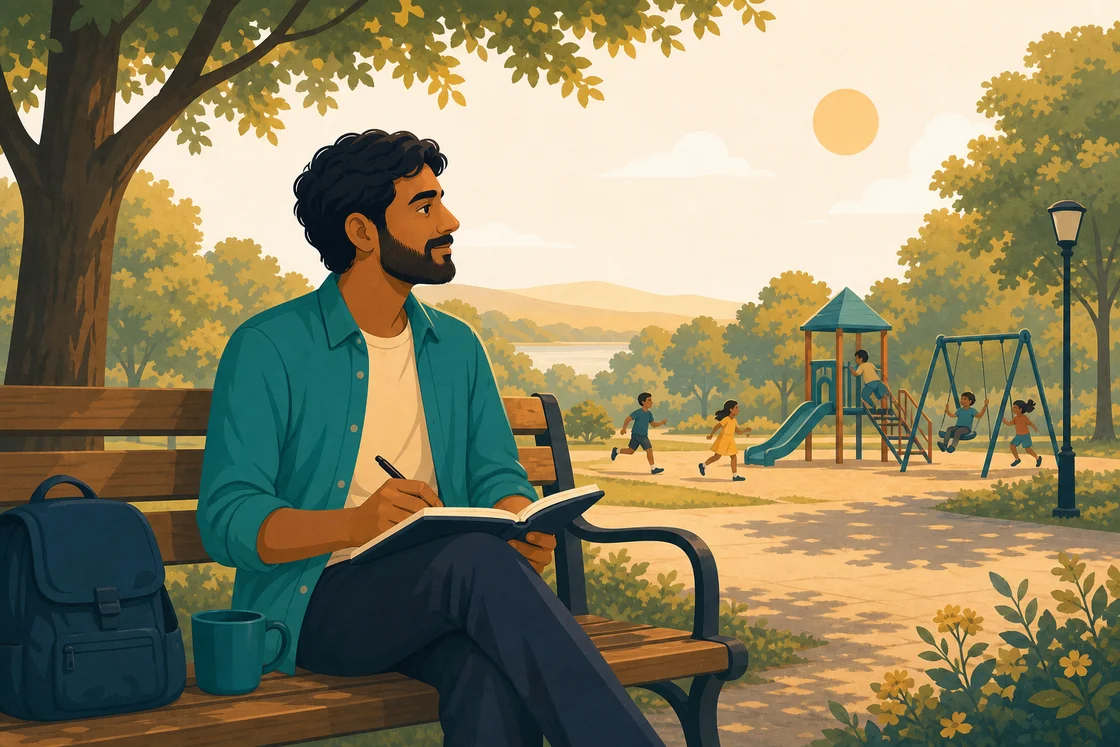
Tip: Quick Summer Self-Reflection Prompts for Teachers:
- What classroom moment made you most proud this year?
- Which pupil surprised you, and how?
- When did you feel most energised in your teaching?
- What would you do differently if you had a time machine for this term?
How Stepping Back Can Sharpen Your Professional Perspective
When you finally have some mental space, patterns start to emerge. Maybe you notice certain pupils grew more than you realised, or that your best feedback happened when you took a minute to really remember the child behind the data. That distance isn’t laziness - it’s perspective. And it’s often the missing ingredient when we’re buried in end-of-term chaos.
Save Hours on Report Writing
Report Alchemy generates personalised, high-quality student reports in seconds.
Try Report Alchemy FreeWhat Happens When Teachers Actually Reflect? (Before & After Scenario)
Before: Reports Written in Survival Mode
Think back to last term. It’s late June, you’ve got thirty-two reports to finish, and your brain feels like it’s running on fumes. You’re not alone. Most of us have defaulted to safe, generic phrases, especially for pupils who don’t stand out for obvious reasons. Even the most well-meaning comment can end up sounding something like:
Technically accurate, but it could be about anyone.
After: Reports Shaped by Insight and Intention
Now imagine a different scenario. You’ve used your summer to jot down thoughts on your teaching highs and lows, maybe swapped stories with a colleague over coffee. When report time rolls around, you remember that moment when Oliver explained a tricky maths concept to another student, or how he handled a group challenge. Your comment reads:
Same pupil. But this time, it’s personal, specific, and meaningful.
Evidence from the Classroom: Why Self-Reflection Matters
Research Round-Up: The Impact of Teacher Reflection on Pupil Outcomes
It’s not just a feel-good exercise. According to eSchool News, summer break is a crucial opportunity for educators to rest, reflect, and reconnect with their passion for teaching, helping to combat burnout and return recharged. While the article doesn’t cite specific numbers, the implication is clear: intentional self-care and reflection improves our effectiveness when we return.
Teachers who take even a little time to process the year - what went well, which moments mattered, how they want to approach the next term - often find themselves more energised, more clear-headed, and better able to write about pupils as the unique individuals they are.
Voices from the Staffroom: Real Teacher Experiences
Ask around in any staffroom, and you’ll hear the same thing: the years when teachers carve out a little space to step back, even just for an afternoon, are the years when their reports feel truer. One colleague, after a week away from anything school-related, found herself remembering tiny details about her class that had been drowned out by the noise of term. The difference showed itself line by line.
| Reports Written Pre-Reflection | Reports Written Post-Reflection |
|---|---|
|
“Emma works well in groups and tries her best.”
|
“Emma brings a quiet determination to group work, often helping teammates organise their ideas. Her persistence during our science investigation week was especially impressive.”
|
|
“Jack is making progress with his writing.”
|
“Jack’s storytelling has blossomed this term - his poem about the riverbank captured our class’s imagination, and he now takes real pride in his presentation.”
|
|
“Needs to focus more in lessons.”
|
“When Maya is engaged, she asks insightful questions that move our discussions forward. With gentle reminders, she’s learning to channel her enthusiasm more consistently.”
|
Turning Insights into Action: Practical Steps for a Reflective Summer
Setting Intentional Reflection Goals (Not Just Sunbathing)
The beauty of summer is time. But time slips away easily if you don’t give it a purpose. Intentional reflection doesn’t mean spending weeks writing essays about your teaching. It can be as simple as setting one or two goals: perhaps you want to remember more positive moments, or finally address a challenge you kept putting off. The key is to make space for it - maybe on a walk, or while jotting a few sentences in a notebook.
Journalling, Peer Chats, and Other Simple Routines
Start small. Try writing down three classroom moments that made you smile this year. Or message a colleague and trade stories about surprising pupil achievements. Even a short voice memo to yourself, describing why you love teaching, can have a lasting effect. These aren’t time-wasters - they’re fuel for the next term.
Planning for Next Year’s Reports - with Fresh Eyes
When September comes, those small investments pay off. With a bank of specific memories and a clearer sense of what you want your reports to achieve, the task feels less like a grind and more like a chance to tell each child’s story. And if you combine this mindset with a tool like Report Alchemy, you can save hours on the admin, freeing you to focus on what really matters: meaningful, personal feedback.
From Reflection to Transformation: What Could Change for Your Pupils?
More Personalised, Purposeful Reports
When you approach reports with insight, they become more than a formality. Parents see the difference, and so do pupils. A comment that actually captures who a child is - and not just what they achieved - boosts self-esteem, builds trust, and sets the tone for the new year.
Renewed Motivation for a New School Year
Starting the autumn term with a sense of clarity and purpose is a gift to yourself and your class. You’re not stumbling in, half-exhausted, but arriving with a bank of positive memories and a plan for what you want to do differently. The reports you write reflect that energy.
Modelling Reflective Practice for Your Class
When you model reflection, pupils notice. They understand that learning is an ongoing process, not just a set of targets. By taking time to reflect yourself, you show them the value of looking back, learning, and moving forward - an essential lesson, whatever their age.
Final Thoughts: This Summer, Challenge the Status Quo
Why Your Next Set of Reports Could (and Should) Feel Different
We all know the system isn’t perfect. But if summer gives you the breathing space to reconnect with why you teach, don’t let that chance slip by. Challenge the routine: let your reports become less about box-ticking and more about recognition, growth, and genuine connection. It doesn’t require a complete overhaul - just a shift in mindset, supported by the right habits and, when you need it, the right tools.
A Call to Action: Reclaiming the Purpose of Report Writing
So, as you settle into your well-earned break, remember this: self-care and reflection are not indulgences. They are the hidden engines powering the best classroom moments - and the best reports. Whether you use a notebook, a voice memo, or the smart shortcuts of Report Alchemy, give yourself permission to step back and see the bigger picture. Your pupils - and your future self - will thank you.
This article was inspired by recent reporting from eSchool News.