
It’s 2:53pm on a Thursday, and you’re staring at your last three unfinished reports. You know you should write something insightful about Samuel, but all you can remember is him huddled under his desk after the lunch bell. You want to help, but you’re exhausted, and you’re not sure if what you’re seeing is “behaviour” or something else. Welcome to the reality of reporting on sensory challenges in autistic students - the bit they never taught you in teacher training.
Why Do Some Students Seem ‘Distracted’ - But It’s Not What You Think
The Day-to-Day Challenges: A Classroom Snapshot
Picture this: it’s guided reading time. The classroom hums - pencils scraping, chairs shifting, the corridor’s distant buzz. You glance up and spot Chloe, usually so enthusiastic, gripping her sleeves and staring at the carpet. The blinds are half-open. Sunlight flickers across her table, highlighting every tiny dust mote. You ask her to start reading. She doesn’t respond. Instead, she squeezes her eyes shut, her jaw tight.
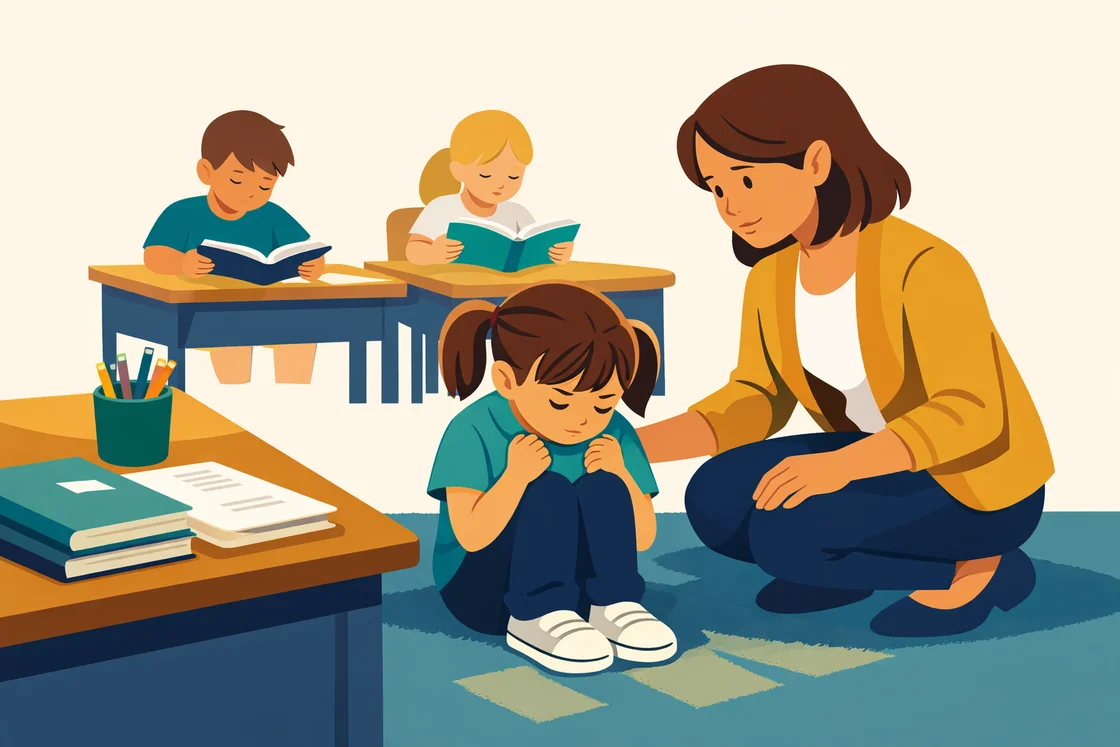
At first, you wonder if Chloe is simply off-task. Maybe she’s tired, or daydreaming. But then you notice she always seems anxious when the sun is bright, or when the hall outside is noisy. This isn’t defiance. This isn’t laziness. It’s a child fighting to stay afloat in a sensory storm.
Misunderstandings: When Behaviour is Actually Sensory
It’s easy to assume students who “zone out” or refuse to join in are choosing not to engage. But for autistic students, what looks like disengagement can be a desperate attempt to cope with classroom noise, harsh lighting, or even the feel of their uniform collar. A behaviour that seems “challenging” on the surface is often a sign of sensory overload.
And here’s the kicker: schools are rarely designed around these needs. According to recent reporting, up to 94% of autistic people have divergent sensory processing. If you’re seeing repeated absences, meltdowns, or withdrawal, you’re not alone - 19.5% of children in England are now ‘persistently absent’ from school, and many are struggling with this exact issue.
Spotting Sensory Barriers in Everyday Classroom Interactions
Common Sensory Triggers to Watch For
Noise is the obvious culprit. But sensory triggers go way beyond loud sounds. Think flickering lights, strong smells (hello, floor cleaner), itchy jumpers, or even the scratch of a pencil. For some autistic pupils, these are not minor annoyances - they’re overwhelming.
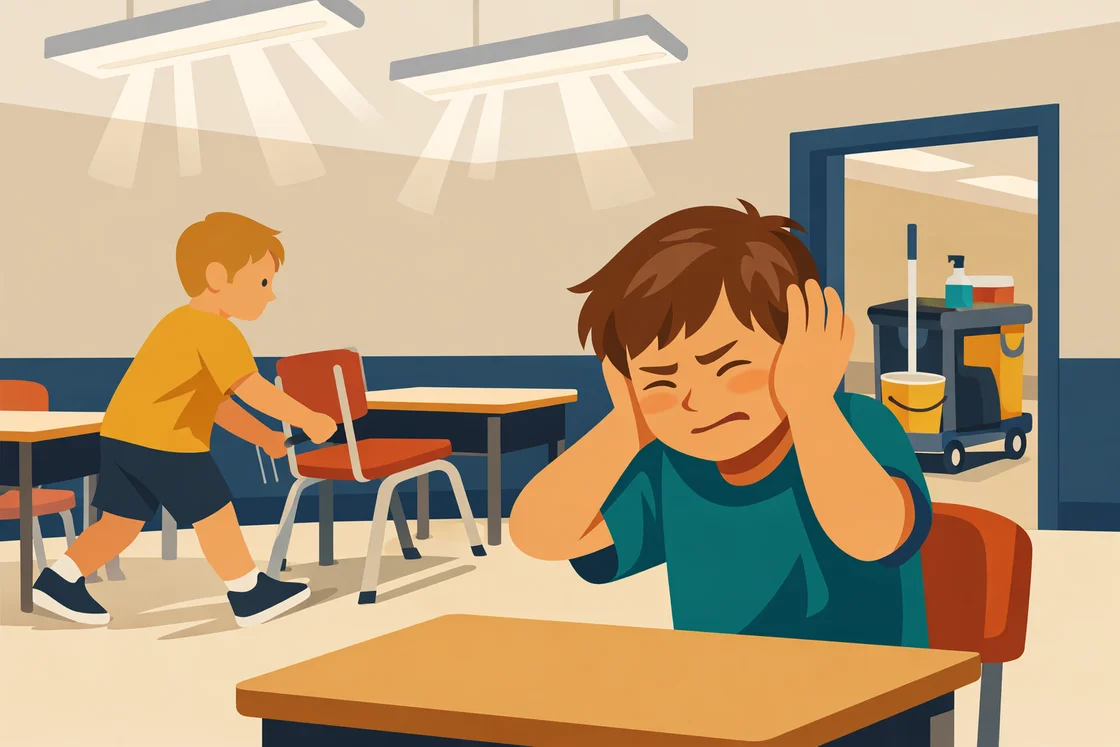
- Lighting: Flickering bulbs, harsh ceiling lights, sunlight flashing through blinds.
- Noise: Bells, scraping chairs, chatter, playground echoes, overhead projectors.
- Textures: Certain fabrics, socks seams, plastic chairs, glue or paint.
- Smells: Cleaning products, lunch smells, perfume.
Student Communication: What Meltdowns and Withdrawals Might Mean
When a student covers their ears or bolts for the door, it’s tempting to see it as “bad behaviour”. But these moments are often their only way to communicate that something is wrong. Meltdowns, refusals to join group work, or shutting down in lessons might be their way of saying, “This is too much for me right now.”
Spotting the pattern is the first step. Is the meltdown always after PE? Does the withdrawal happen in noisy assemblies? These are not random - they’re clues.
Gathering Evidence: Practical Ways to Observe and Record Sensory Challenges
Observation Strategies for Busy Teachers
You don’t need to become a detective with a clipboard. Sensory challenges often reveal themselves in fleeting, everyday moments. Jot down what you notice:
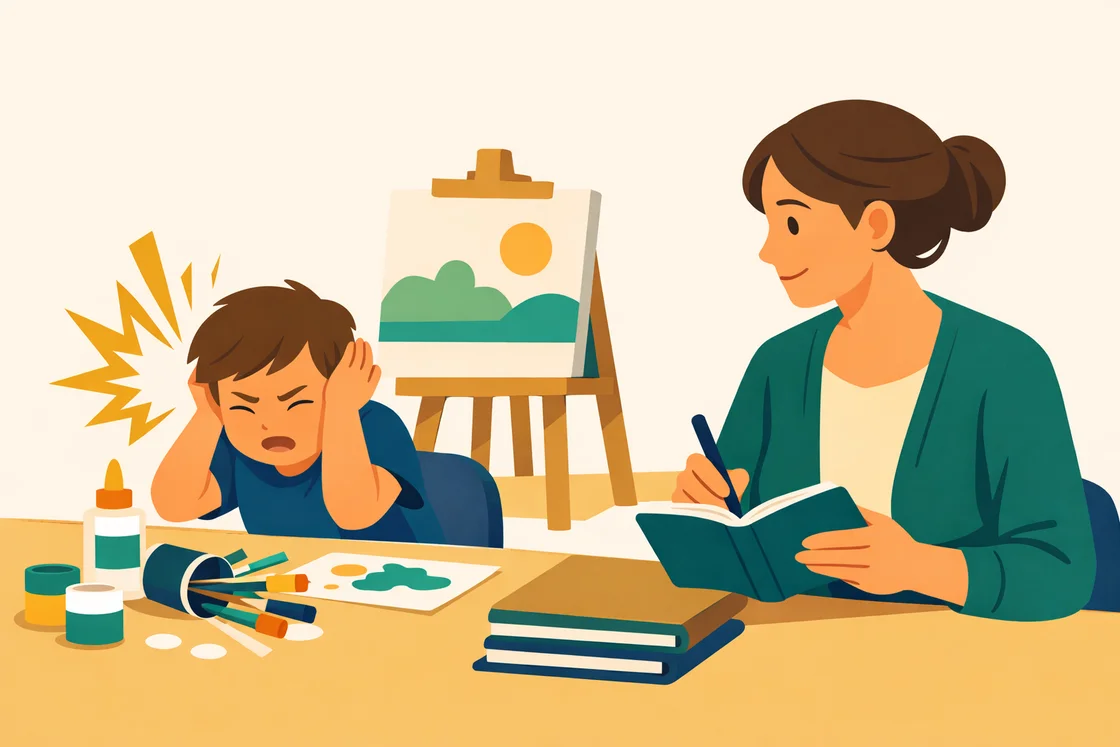
- Does the student flinch at sudden sounds?
- Do they avoid certain materials (e.g., refusing to touch glue or paint)?
- Are there particular times of day when they seem more anxious or disengaged?
- Do they cover their ears or eyes, or retreat to quieter areas?
Use whatever you have - sticky notes, lesson plans, voice notes on your phone during your planning period. The key is to notice patterns and triggers, not just isolated incidents.
Save Hours on Report Writing
Report Alchemy generates personalised, high-quality student reports in seconds.
Try Report Alchemy FreeCollaborating With Support Staff and Families
You’re not in this alone. Chat with your teaching assistants, lunchtime supervisors, or SENDCo. They might spot things you miss. Even a quick, “Have you noticed if Sam struggles after lunch?” can open up new insights. Connect with families, too - they’re often experts in their child’s sensory profile.
Tip: Quick Sensory Behaviours Checklist:
- Flinching or startling at everyday sounds
- Refusal to touch certain classroom materials
- Covering ears, eyes, or head
- Frequent requests to leave the room
- Unusual responses to light or smell
- Chewing or fidgeting with clothes/objects
- Seeking out quiet corners or hiding under tables
Turning Observations Into Insightful Report Comments
From Judgement to Understanding: Language That Helps
This is where the pressure really hits: you’ve noticed the patterns, but now you need to write something that shows understanding, not just describes “difficult behaviour”. The difference is in your language. Are you writing “He is disruptive” or “He finds loud environments overwhelming and may need support to cope”?
This shift is vital. It moves the narrative from blame to support, which is the key to getting real help for your students - and, frankly, it’s what parents are desperate to see.
Sample Phrases to Use (and Avoid)
Here’s how your report comments can evolve:
| Before (Traditional) | After (Sensory-Aware) |
|---|---|
|
Jack is easily distracted and often fails to complete tasks.
|
Jack finds it challenging to focus in busy, noisy environments and benefits from quieter spaces to support his learning.
|
|
Chloe refuses to participate in group activities.
|
Chloe can find group work overwhelming when there is a lot of background noise. She engages more confidently in smaller, quieter settings.
|
|
Sam has frequent outbursts during transitions.
|
Sam experiences sensory overload during busy transition times and may need additional support or preparation to manage these changes.
|
If you’re staring at a blank screen, tools like Report Alchemy can suggest this kind of language instantly, so you’re not reinventing the wheel for every report.
Writing Reports That Lead to Real Support
Highlighting Needs Without Labelling
You want your reports to open doors - not close them. That means describing needs, not just applying labels. Instead of “autistic” as shorthand, focus on what the student experiences and what helps. For example:
This moves the conversation from diagnosis to practical support.
Suggesting Practical Adjustments
Your reports can be the spark for real change. Aim to include one or two simple, actionable suggestions. It makes life easier for next year’s teacher, the SENDCo, and, most importantly, the student.
- Offer noise-cancelling headphones for assemblies or group work
- Allow uniform adjustments for pupils sensitive to certain fabrics
- Provide a safe, quiet space for breaks
- Give advance warning before transitions
Let’s see how a “before/after” transformation can change the impact of a report:
| Before | After |
|---|---|
|
Emily is frequently absent and struggles to keep up with classwork.
|
Emily is highly sensitive to noise and crowds, which can make attending school and participating in lessons challenging for her. Providing access to a quieter classroom space and flexible seating has helped her feel more comfortable and able to engage with learning.
|
Notice how the second version highlights the why, not just the what. It also names practical support that has already helped.
Struggling to phrase this yourself when you’re on your tenth report of the night? This is where Report Alchemy can save you, giving you evidence-based, supportive phrasing that actually leads to action.
Communicating Sensory Insights With Families and Support Teams
Building a Shared Language
The words you use in reports shape how families and colleagues see a student. When you frame needs as “sensory differences” rather than “problems”, you build trust and open up conversations. Try phrases like:
- “We’ve noticed Sam is more settled when…”
- “Chloe seems to find X overwhelming, but Y helps.”
- “Let’s try…”
Report comments like these invite families and support staff to share their own insights and strategies.
Encouraging Collaboration on Solutions
No one expects you to solve sensory challenges alone. Reports are a conversation starter. Include a gentle prompt for next steps:
This shows you’re proactive, not just ticking boxes.
Next Steps: Embedding Sensory Awareness in Your Practice
Reflect, Review, and Refine
Sensory-aware reporting isn’t a one-off. After each round of reports, ask yourself:
- Did I identify patterns, not just incidents?
- Did my comments reflect understanding, not just judgement?
- Did I suggest practical support, not just describe difficulties?
Next term, try tweaking your classroom environment. Even small changes - dimming the lights, offering ear defenders, letting a pupil leave assembly early - can make a world of difference.
Where to Find More Resources
There’s excellent training out there on neurodiversity and sensory inclusion. Ask your SENDCo or SLT for recommendations. Online communities and charities like the National Autistic Society have guides, webinars, and printable checklists. Or, if you’re drowning in marking, let Report Alchemy do some of the heavy lifting for you.
And finally, trust what you see. Your daily observations are the most valuable resource your students have.
Key takeaways:
- Notice patterns behind behaviour - sensory needs are often hiding in plain sight.
- Describe needs, not just deficits, in your reports.
- Suggest small, practical adjustments that make a real difference.
- Collaborate with families and support staff - you’re not alone.
Writing about sensory challenges doesn’t have to be daunting or time-consuming. With practical observation, supportive language, and a little help from tools like Report Alchemy, you can write reports that actually change lives - and maybe save yourself a few late nights in the process.
This article was inspired by recent reporting from The Conversation.