
You know that moment: you stare at your Year 3 report templates, cursor blinking, trying to translate weeks of reading sessions into something more meaningful than “works well in groups.” The evidence feels slippery, the pressure is real, and you wonder if your comments are actually capturing what your pupils can do - or just ticking boxes for another year.
Why Are Year 3 Reading Reports So Stressful?
The Annual Dread: Facing the Blank Report
Writing reading reports for Year 3 should be straightforward. By now, you know your class: you have guided reading notes, some test scores, a handful of sticky Post-its with reminders about who needs to work on inference. But when it comes to typing out those report comments - comments that are supposed to show real progress, capture a child’s voice, and reassure parents - it can feel like you’re expected to conjure magic out of middling evidence. The blank space isn’t just a box to fill. It’s a challenge: prove what you know, even if the data is patchy.

When Evidence Feels Thin and Progress Is Unclear
Maybe your assessment notes read, “reads fluently with support” or “needs to work on comprehension.” But what does that actually mean for Jamie, who can breeze through Roald Dahl but freezes if asked to explain a tricky word? Or for Priya, who thrives on reading out loud with a partner, but won’t volunteer in a whole-class session? How do you make your comments feel authentic, individual, and backed by more than a hunch?
“Every year, I feel like I’m writing the same report for half my class, just changing the names.”
- Year 3 teacher, after a long evening of report writing
Imagine: What If Your Reports Wrote Themselves?
A Classroom Scenario: Before and After Peer-Assisted Reading
Let’s say you introduce regular peer-assisted reading sessions. Suddenly, you’re not the only one seeing how pupils tackle new texts. You have a room full of mini-observers, giving and getting feedback. Over a few weeks, you start to spot patterns: who naturally supports their peers, who takes initiative, who listens, who improves with encouragement. Your observation notes become richer, your evidence more concrete.

Spotting Tangible Progress - And Having the Notes to Prove It
Consider the difference in your reporting:
| Before | After |
|---|---|
|
“Jamie enjoys reading and works well with others.”
|
“Jamie confidently supports his reading partner, offering helpful prompts when they get stuck. During peer sessions, he explains word meanings in his own words and encourages others to have a go.”
|
The second comment isn’t just more detailed: it’s built on real, observed behaviour, not just a vague sense of participation. That’s the power of structured peer-assisted reading.
What Is Peer-Assisted Reading and Why Does It Work?
A Quick Guide to the Method
Peer-assisted reading is exactly what it sounds like: pupils working in pairs, taking turns to read and help each other. In the Pals-UK programme, for example, children partner up three times a week for 35 minutes. They practise reading, discuss what they’ve read, and coach each other through new vocabulary and trickier passages. Crucially, everyone gets a turn as “reader” and “coach,” so every child is both supported and stretched.
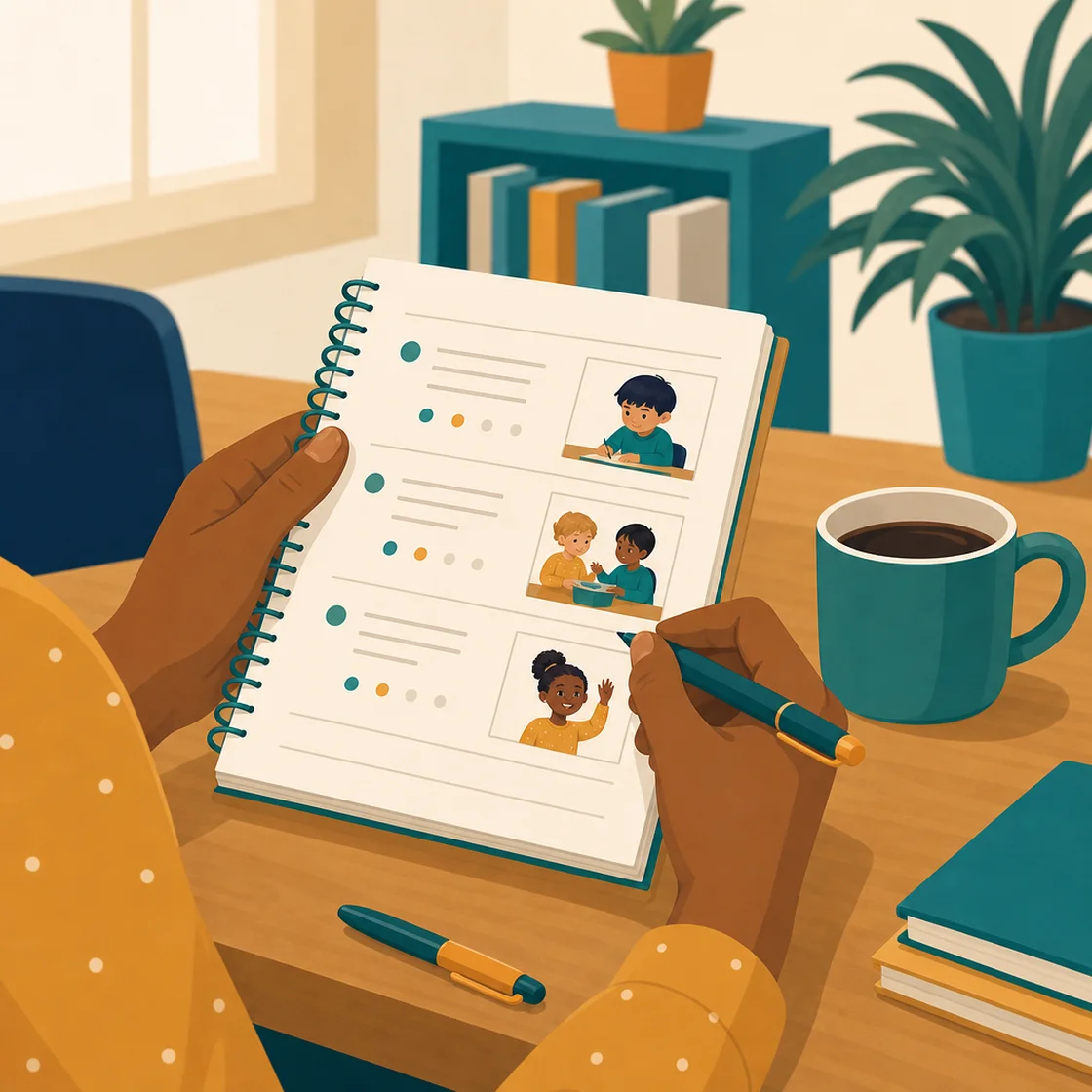
The results speak for themselves. According to recent research, pupils who took part in Pals-UK made, on average, two months’ additional progress in reading compared to those who didn’t. Over half of teachers - 55%, to be exact - said it helped create a genuine culture of reading for enjoyment in their classrooms.
Save Hours on Report Writing
Report Alchemy generates personalised, high-quality student reports in seconds.
Try Report Alchemy FreeBenefits Beyond Reading: Collaboration and Confidence
But the benefits aren’t just about reading levels. When pupils teach and encourage each other, something shifts. Struggling readers find their voice. Confident readers learn patience and empathy. You see teamwork in action, and pupils start taking real pride in their progress - and in helping their peers. Suddenly, your classroom isn’t just a place where reading happens. It’s a place where readers grow, together.
How to Set Up Peer-Assisted Reading in Your Year 3 Classroom
Choosing and Pairing Pupils Effectively
The magic is in the pairing. You want partners who can nudge each other just beyond their comfort zones, not leave each other floundering. Pair higher-attaining readers with those who need more support, but rotate every few weeks so everyone gets to lead and learn. Let pupils choose some of their own reading materials to boost motivation and ownership - within your guidelines, of course.
Structuring Sessions for Success
Keep the format predictable so pupils know what to expect:
- Warm-up: Quick discussion of what was read last time or a fun word game.
- Reading time: One pupil reads aloud, the other listens and helps with tricky words. Swap after a set time.
- Comprehension check: The “coach” asks questions: “What happened next?” “Why do you think the character did that?”
- Reflection: Both partners jot down one thing they did well and one thing they’ll try next time.
Set a timer for each step. The structure keeps things moving and ensures every child has a chance to shine.
Building Routines Pupils Love
Pupils thrive on routines they can trust. Create simple rituals - choosing a “reading zone,” having a special peer-reading notebook, celebrating “coaching moments of the week.” The more you embed peer-assisted reading into your weekly rhythm, the more confident and independent your pupils become.
Tracking Progress: Simple Tools for Real Evidence
What to Record (and How to Keep It Manageable)
You don’t need to write a mini-essay after every session. Focus on what matters: Did the pupil read more fluently? Did they explain a word to their partner? Did they ask (or answer) a good question? Use a simple tracking sheet: date, activity, notable moments, next steps. Let pupils contribute their own reflections, too - they often spot things you might miss.
Sample Tracking Sheet: What It Looks Like in Practice
| Generic Tracking Note | Peer-Assisted Reading Observation |
|---|---|
|
|
With just a couple of lines per session, you build up a rich, personalised picture - evidence that’s gold dust when report season comes around.
Translating Peer Reading Into Report Comments
From Observation to Report: Linking Skills to Outcomes
When you have specific, peer-reading-based notes, turning them into meaningful report comments becomes so much easier. You can highlight not just what pupils can read, but how they approach reading, support others, and respond to challenges.
Comment Starters You Can Use Right Away
- “In paired reading activities, [Name]…”
- “[Name] regularly supports their partner by…”
- “Through peer-led discussions, [Name] has shown…”
- “When acting as a reading coach, [Name] demonstrated…”
Notice how these starters invite you to include detail and evidence. You’re not just reporting a level - you’re telling a story about progress.
Getting Started: Your First Peer-Assisted Reading Week
A Step-by-Step Checklist
- Pick your pairs. Use your knowledge of pupils’ personalities and reading levels. Aim for supportive, not intimidating, matches.
- Explain the roles. Model what a “reader” and “coach” do. Use examples and maybe even some role-play.
- Set clear expectations. Agree on listening, turn-taking, and how to offer help (hint: “I wonder if that word looks like…” works better than “That’s wrong!”).
- Choose accessible texts. Let pairs help choose, but guide them to books that will stretch both partners.
- Start small. Try 15-20 minute sessions twice a week at first, building up as you go.
- Track and celebrate. Use a simple observation sheet, and share “great peer moments” in class or with parents.
Tips for Troubleshooting Common Issues
- Wobbly pairs? Rotate partners regularly and check in often. Some pairs just won’t click - and that’s fine!
- Dominant readers? Remind everyone that both roles matter. Encourage quieter pupils to lead a session.
- Lost focus? Keep sessions brisk, with clear transitions and lots of praise for positive participation.
- Parents unsure? Share a quick note home or a photo of peer reading in action. Parents love seeing collaboration in action.
Ready to get started? If you’d like pairing templates, sample observation sheets, and more, download our free peer-assisted reading starter kit below.
Bringing It All Together: Less Stress, More Progress
Celebrating Small Wins
When you embed peer-assisted reading into your classroom, you’re not just helping pupils make progress - you’re collecting the kind of evidence that makes report writing almost write itself. Suddenly, those blank boxes fill with stories of real achievement: the shy pupil who now volunteers to coach, the reluctant reader who beams after helping a friend, the questions that spark new understanding.
Reflecting on Impact for Learners and Reports
Peer-assisted reading isn’t just another initiative. It’s a way to make your assessment richer, more authentic, and more focused on what pupils can actually do. When reporting time rolls around, you’ll have a bank of observations, reflections, and concrete examples. You’ll spend less time agonising over vague comments, and more time feeling proud of the progress your pupils have made - together. And if you need a head start (or just want to save hours), tools like Report Alchemy can help you turn your notes into personalised, high-quality reports in seconds.
This article was inspired by recent reporting from The Conversation.